The Future of Co-working Spaces: Innovative designs and technology boosting productivity
Beyond the Desk: Engineering the Future of Co-working Spaces
“The India Co-Working Office Spaces Market size is estimated at USD 1.94 billion in 2024 and is expected to reach USD 2.72 billion by 2029, growing at a CAGR of 7% during the forecast period (2024-2029).” – Global Information (GII)
Without flexibility, business survival is impossible. After the Corona Pandemic, those who adapted to the situation survived and thrived, and those who didn’t are facing problems or died out.
From remote working to adaptable shared office space, we have unlocked new doors to economic stability without compromising productivity. According to Statista, by the end of 2024, co-working spaces are expected to hit 41,975 globally.
India is also witnessing a gain in co-working spaces and has proven to be a successful venture. These spaces provide almost all the amenities to run your office efficiently. Apart from this, there are a myriad of advantages that you can experience. In this blog, we will discuss the future of co-working spaces and their benefits.
Co-Working Space: Understanding the Concept
Before diving deep into the advantages of co-working spaces, it is essential to explore what co-working spaces are. Co-working spaces are a shared work environment for people from different organizations, freelancers, and small business teams to work without worrying about their own office space.
These spaces are not just alternative offices; they are open avenues for networking, collaboration, and communication. These spaces are designed to foster creativity, productivity, and community among the members. All this happens in an independent working environment but reaps the benefits of collaboration.
This explains their popularity lately as work and space directions become more remote and hybrid. The flexibility, cost-effectiveness, and sense of community make them increasingly appealing to businesses and professionals.
Benefits of Shared Workplace
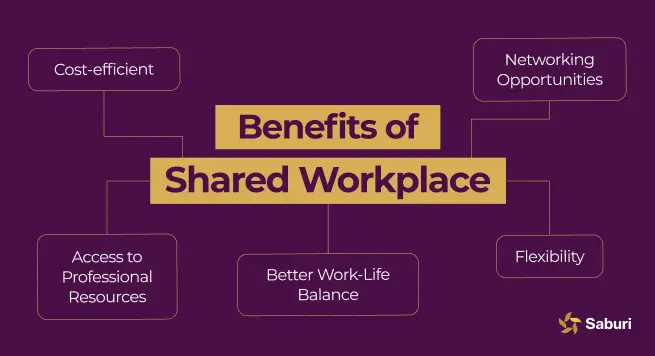
A shared workplace environment shares tons of advantages. Here are a few of those benefits:
- Cost-efficient: Shared offices eliminate long-term overhead costs, utility costs, and office equipment purchases.
- Networking Opportunities: Shared offices promote cooperation and networking among professionals from different sectors, opening avenues for potential partnerships and business operations.
- Flexibility: Members can switch their membership as per their needs. Those who want to scale can increase and scale down, too. Thanks to the zero-concrete office setup.
- Work-life balance: Coworking spaces offer you what you can’t do. Facilities such as gyms, cafes, and wellness centers are created to cater to your personal activities and increase productivity.
- Access to Professional Resources: Co-working provides shared access to good-quality office infrastructure, meeting rooms, and support services that could not be afforded by small businesses or freelancers.
Exploring the Future of Co-working Spaces
Business growth is directly proportional to the productivity of its employees. This productivity could be easily seen as shaped by innovative designs and advanced technologies. Let’s look into some of the key trends and ideas in this evolving landscape.
Smart Workspaces:
- The recent trend is IoT-enabled spaces. Now, even co-working spaces are marrying smart technologies into spaces, utilizing mobile apps for user-controlled operation over lighting, temperature, or seating.
- Automated Scheduling Systems: Reserving desks, meeting rooms, or specific work zones will be automated to save time and improve workplace management. These little settings help tailor your space to help you be more productive.
- AI-Powered Productivity Tools: Based on your personal preferences, machine learning algorithms can analyze usage patterns to improve your workplace design.
Hybrid and Flexible Designs:
- Modular furniture: Co-working space companies are providing specific facilities to keep employees productive. The furniture used to be flexible and movable. It easily adapts to changing spaces of varying work styles, from collaborating on ideas to quiet, independent work.
- Biophilic Design: Any space with natural elements such as plants, green walls, and ample natural light reduces stress and promotes creativity.
- Acoustic Zones: Soundproof pods or zones geared to work in silence will be the norm, thereby ensuring focused input among open-space working individuals.
Wellness-Oriented Spaces:
- Ergonomic furniture is reaching the ‘standard’ status, and moveable desks, chairs, and standing stations are hereby opening up to good posture and fewer grievances concerning health issues that arise from sitting for long periods at workstations.
- Fitness and Relaxation Spaces: Spaces hold gymnasium facilities provided within the office, meditation or yoga rooms, and nap pods to help recharge and maintain productivity.
- Air quality and ventilation: A high-quality ventilation system and air-purifying technologies will help keep the working environment healthy.
Collaboration-Enhancing Technologies:
- Virtual Collaboration Rooms: Hybrid work models have led coworking space operators to incorporate virtual meeting rooms that are well-equipped, ensuring remote teams feel just as connected as an in-office team.
- Interactive Digital Whiteboards: It allows different team members to share their ideas, with the remote and in-person members contributing to brainstorming sessions, thereby improving the effectiveness of your collaborative efforts.
Sustainability and Eco-Friendly Designs
- Green Energy Solutions: Some are completing the space with the installation of solar panels, energy-efficient lighting, and HVAC systems to minimize the environmental footprint of these spaces.
- Sustainable Materials: These sustainable materials used for furniture and interior designs aim to reach out to the green-sensitized labor force.
Community-Centered Spaces:
- Shared Knowledge Platforms: Digital bulletin boards and apps that promote events, workshops, and opportunities to collaborate within the co-working community.
- Dedicated Networking Zones: Some areas where professionals can meet and connect, and facilitate collaboration between freelancers, startups, and companies.
Data-Driven Personalization:
- Wearable Technology: Associated with the workspace may be a smartwatch or fitness bands, which will track energy levels and suggest breaks, standing sessions, or appropriate times to collaborate.
- Usage analytics: According to the usage of certain areas, the co-working space adapts its layout to manage environmental flow and comfort.
Conclusion
The future of co-working spaces will be dominated by fusion technologies married to innovative designs that promote flexibility, collaboration, and well-being. One can boost their productivity through smart workspaces, modular designs, and AI-driven personalization. Additionally, spaces with wellness features and eco-friendly practices are in popularity.
This new way of working is aimed at enhancing the overall productivity and efficiency, with a customized office space for all kinds of professionals.
Frequent asked questions
Coworking spaces are shared workspaces where individuals or teams can rent a desk or private office on a flexible basis. These spaces often provide amenities such as high-speed internet, meeting rooms, printers, technical support, and, in some cases, gym and cafeteria services.
Coworking spaces are shared workspaces where individuals or teams can rent a desk or private office on a flexible basis. These spaces often provide amenities such as high-speed internet, meeting rooms, printers, technical support, and, in some cases, gym and cafeteria services.
Coworking spaces are shared workspaces where individuals or teams can rent a desk or private office on a flexible basis. These spaces often provide amenities such as high-speed internet, meeting rooms, printers, technical support, and, in some cases, gym and cafeteria services.
Coworking spaces are shared workspaces where individuals or teams can rent a desk or private office on a flexible basis. These spaces often provide amenities such as high-speed internet, meeting rooms, printers, technical support, and, in some cases, gym and cafeteria services.
Coworking spaces are shared workspaces where individuals or teams can rent a desk or private office on a flexible basis. These spaces often provide amenities such as high-speed internet, meeting rooms, printers, technical support, and, in some cases, gym and cafeteria services.
Trending Blogs
The Future of Co-working Spaces: Innovative designs and technology boosting productivity
How Startups Benefit from Operating in a Coworking Space
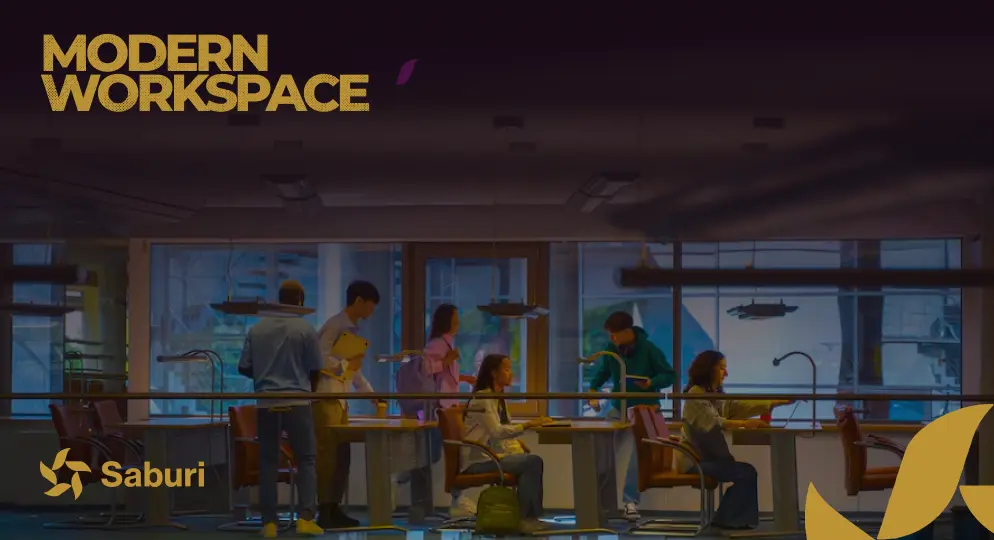
Finding the Perfect Shared Office Space Near You: A Modern Solution for Flexibility and Growth
The Green Revolution: Sustainability Practices in Shared Office Spaces
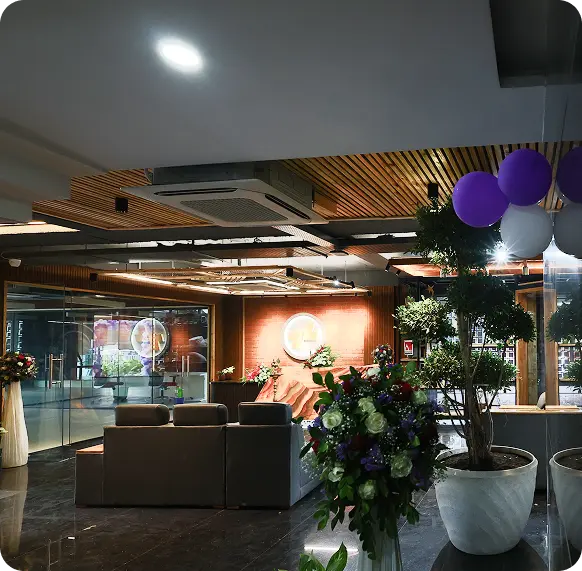
Start your coworking journey with us.
Have a question, need a tour, or ready to join Saburi Works? Fill out the form. We’re here to help you find the perfect workspace.